Source carraro spare part oil seal for engines, agriculture, and auto
Find 30 carraro spare part oil seal options from verified Chinese manufacturers. Compare specifications, certifications, and prices for engine, agricultural machinery, and automotive applications to find the right fit.
Key considerations
Products List






Comprehensive Sourcing Guide
Strategic Sourcing Guide for Carraro Spare Part Oil Seals
Understanding Technical Specifications and Material Composition
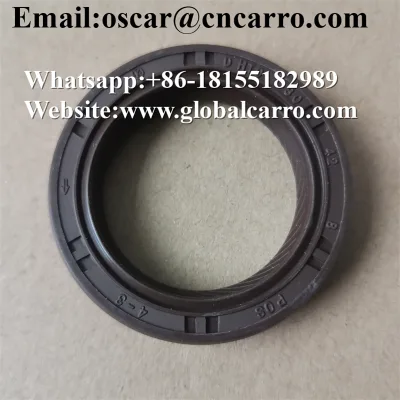
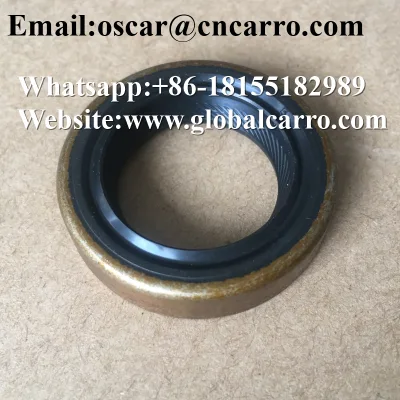
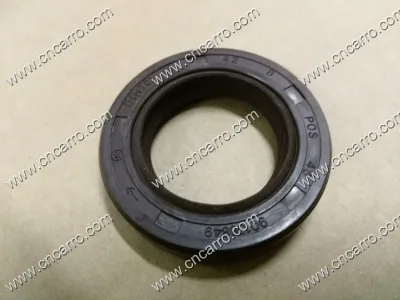
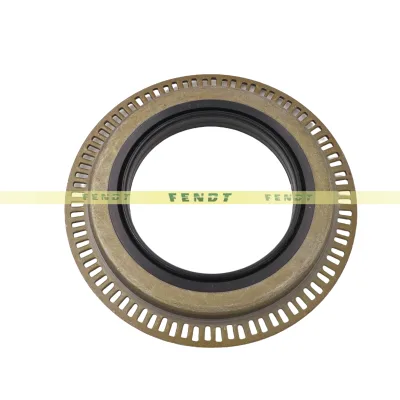
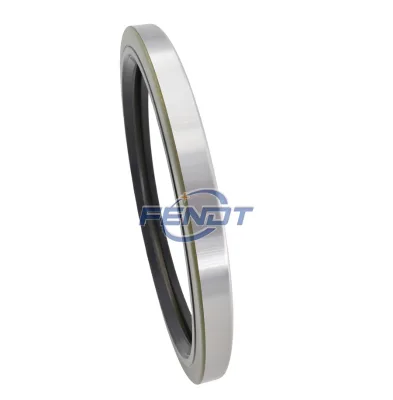
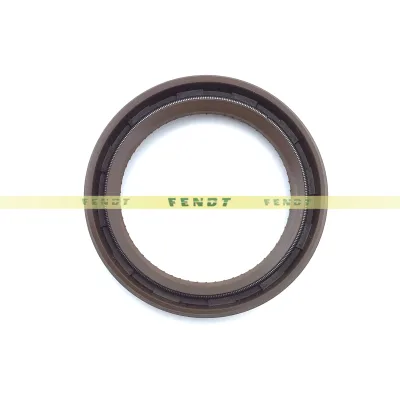
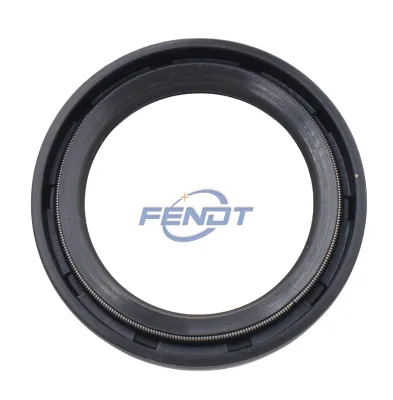
When sourcing oil seals specifically designated for Carraro aftermarket parts, the primary objective is to identify components that match precise dimensional and material requirements. The supply chain for these critical sealing elements relies heavily on exact specifications rather than generic descriptions. Based on available product data, the core material composition for these seals is typically Nitrile Butadiene Rubber (NBR). This material choice is standard for general-purpose oil sealing applications due to its resistance to petroleum-based fluids, though buyers must verify if specific Carraro machinery requires alternative compounds for extreme temperature or chemical exposure scenarios.
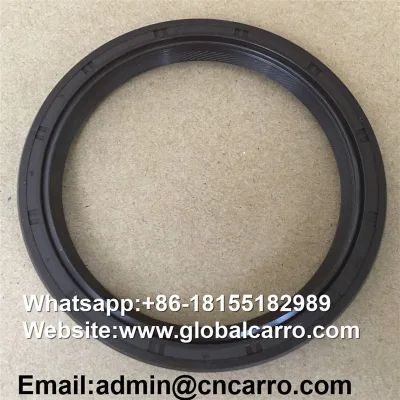
Dimensional accuracy is the most critical technical parameter. The observed product data indicates a variety of specific size configurations, such as 406018.5 mm, 6278/8110/13.8 mm, and 173010 mm. These figures represent the inner diameter, outer diameter, and width of the seal, respectively. In the context of agricultural and heavy machinery, a deviation of even a fraction of a millimeter can lead to catastrophic failure, oil leakage, and contamination of the hydraulic system. Therefore, procurement strategies must prioritize suppliers who can provide seals with the exact model numbers and dimensions listed in the original equipment manufacturer (OEM) documentation. The data also highlights specific model references like CAR126403 and 12018177B, which serve as unique identifiers for the seal geometry. Buyers should treat these alphanumeric codes as mandatory verification points before placing any order.
Furthermore, the structural design of the seal is often described as a "Seal Ring" or "Assembled" unit. The lip type, which forms the primary sealing interface against the rotating shaft, is a variable attribute that must be confirmed against the specific application. Some listings indicate a "High Speed" capability, suggesting that the seal design includes features to handle rotational velocity without generating excessive heat or wear. The hardness of the rubber compound is another vital technical specification, with observed ranges falling between 70 and 90 Shore A. This range ensures the seal is rigid enough to maintain its shape under pressure but flexible enough to conform to shaft irregularities. Buyers must ensure that the supplier's technical datasheet explicitly confirms these hardness values for the specific batch being purchased.
Compliance, Certification, and Quality Standards
In the industrial procurement of automotive and agricultural components, certification serves as the primary proxy for quality assurance. For oil seals intended for Carraro machinery, the presence of recognized management system certifications is non-negotiable. The market data frequently references ISO 9001 and TS 16949 (now IATF 16949) certifications. These standards indicate that the manufacturing facility adheres to rigorous quality management processes and automotive industry-specific requirements. Additionally, some product listings mention TUV and GS certifications, which are particularly relevant for safety and performance verification in European markets.
However, buyers must exercise caution when interpreting certification claims. The presence of a certification label on a product listing does not automatically guarantee that every unit in a specific shipment is certified or that the specific batch meets the latest standard revisions. The "Standard Component" designation found in some data points suggests that the parts are manufactured to general industry standards rather than unique proprietary specifications. It is the buyer's responsibility to request valid, current certificates of conformity (CoC) from the supplier for the specific order. These documents should trace the production batch back to the raw material source and confirm that the manufacturing process was audited by the certifying body.
Compliance also extends to the origin of the goods. The majority of the observed supply originates from Xingtai, Hebei, China, a region known for its concentration of rubber sealing manufacturers. While this location offers competitive pricing and high production capacity, it necessitates a robust verification process. Buyers should verify that the supplier's factory is physically located at the claimed address and that the ISO or TUV certificates are issued to that specific entity. Relying on third-party trading companies without direct factory verification can introduce risks regarding the authenticity of the certifications and the consistency of the product quality.
Cost Drivers and Pricing Dynamics
The pricing structure for Carraro spare part oil seals is influenced by a complex interplay of material costs, customization requirements, and order volume. The observed price range in the market spans from approximately $0 to $10.62 USD. This wide variance is not indicative of quality differences alone but is heavily driven by the specific dimensions and the level of customization required. Smaller, standard-sized seals like the 173010 mm variant will naturally fall on the lower end of the spectrum, while larger, more complex assemblies or those with specialized lip configurations will command higher prices.
Customization is a significant cost driver. The product data explicitly lists "Customization: Available" and "Color: Customers Required" as standard attributes. When a buyer requests a specific color, a unique lip design, or a non-standard material compound, the supplier incurs additional setup costs. These costs are often passed on to the buyer, either as a one-time mold fee or as a higher unit price. Furthermore, the "Factory Direct Sale" advantage mentioned in supplier profiles suggests that purchasing directly from the manufacturing plant can reduce costs by eliminating intermediary markups. However, this benefit is only realized if the buyer can meet the Minimum Order Quantity (MOQ) requirements.
The MOQ range observed in the market varies from 1 to 500 units. For small-scale repairs or emergency replacements, suppliers may accept orders as low as a single unit, but this typically comes with a premium per-unit cost. Conversely, bulk procurement allows buyers to negotiate significantly lower prices, leveraging the economies of scale in the rubber molding process. Buyers should analyze their total annual consumption to determine the optimal order size. Ordering 500 units of a standard seal may reduce the unit cost by a substantial margin compared to ordering 50 units, but it also ties up working capital in inventory. The "High Quality" and "Durable" attributes observed in the product descriptions imply that while the initial unit cost may be higher for premium seals, the total cost of ownership could be lower due to reduced failure rates and maintenance downtime.
Typical Applications and Performance Requirements
Oil seals for Carraro machinery are primarily designed for agricultural and automotive applications where reliability is paramount. The product data identifies the usage context as "Engine" and "Auto Oil Seal," indicating that these components are critical for sealing lubricants within the powertrain and hydraulic systems of tractors and agricultural implements. The specific mention of "Carraro Aftermarket Parts" confirms that these seals are replacements for original equipment, meaning they must perform identically to the factory-installed components to maintain the machine's operational integrity.
The performance requirements for these seals are dictated by the harsh operating environments of agricultural machinery. The observed features include "Oil Resistant," "Water Resistant," and "Durable" characteristics. These attributes are essential because agricultural equipment is frequently exposed to mud, water, dust, and varying temperatures. The seal must prevent external contaminants from entering the lubrication system while retaining oil within the housing. The "Pressure Type" designation suggests that these seals are engineered to withstand internal system pressures, which can fluctuate significantly during operation.
In addition to environmental resistance, the seals must handle mechanical stress. The "High Speed" attribute indicates that the seals are suitable for applications involving rapid shaft rotation. In agricultural machinery, this often translates to PTO (Power Take-Off) shafts or hydraulic pump drives. The "Press" technics mentioned in the data refer to the manufacturing method, which ensures the seal maintains its structural integrity under compression. Buyers should verify that the selected seal is rated for the specific pressure and speed conditions of the Carraro machine model they are servicing. Using a seal with insufficient pressure ratings can lead to extrusion and failure, while a seal with inadequate speed ratings may overheat and degrade prematurely.
Supplier Evaluation and Verification Protocols
Evaluating a supplier for Carraro spare part oil seals requires a multi-faceted approach that goes beyond simple price comparison. The first step is verifying the supplier's identity and location. The data points to Xingtai, Hebei as a primary origin, but buyers must confirm that the supplier is the actual manufacturer and not a middleman. A legitimate manufacturer will typically have a dedicated production facility, in-house quality control laboratories, and the ability to provide detailed technical drawings.
Buyers should request a comprehensive supplier audit report or a virtual factory tour to assess production capabilities. Key areas of focus include the condition of the molding equipment, the cleanliness of the production environment, and the training of the workforce. The "Factory Direct Sale" advantage is a strong indicator of a manufacturer, but it must be substantiated. Additionally, the supplier's ability to handle "Customized Service" is a critical differentiator. A capable supplier should be able to accommodate specific requests for lip type, material hardness, and packaging without compromising on quality.
The "Advantage" attributes listed, such as "Factory Price" and "High Quality," are marketing claims that require validation. Buyers should ask for references from other clients who have purchased similar seals for agricultural machinery. Test reports and sample analysis are also essential. Before committing to a large order, buyers should request samples of the specific model numbers (e.g., CAR126403) to verify dimensions, material hardness, and lip flexibility. The "Accept Customize" attribute for material and color suggests flexibility, but the supplier must demonstrate that they can maintain consistency across different batches.
Quality Control and Long-Term Procurement Considerations
Quality control is the backbone of a successful procurement strategy for oil seals. The "High-Quality" designation in the product data is a goal, not a guarantee. Buyers must implement a rigorous incoming quality control (IQC) process. This involves checking the dimensional accuracy of the seals against the specified model numbers and verifying the material properties. The "Standard Component" nature of the parts means that they should be interchangeable, but buyers must ensure that the tolerances are within acceptable limits for the specific Carraro machine model.
Long-term procurement considerations involve building a sustainable relationship with a reliable supplier. The "Customized Packaging" option, such as "Plastic Bag + Carton Box" or "PE Bag + Carton Box," offers flexibility in logistics and storage. Buyers should negotiate packaging standards that protect the seals from dust, moisture, and physical damage during transit. The "Packing" attribute also highlights the importance of proper storage conditions to prevent rubber degradation over time.
Sourcing strategies should also account for the "Lead Time" and supply chain stability. While specific lead times are not provided in the data, buyers should establish clear delivery timelines in their contracts. Given the variability in MOQs, buyers should plan their inventory levels to balance cost efficiency with the need for immediate availability. The "Reference No." and "OE Number" data provided in the listings serve as a critical link between the aftermarket part and the original equipment. Buyers must ensure that the supplier can trace their parts back to these original numbers to guarantee compatibility.
Finally, buyers should consider the total cost of ownership. While a lower unit price may be attractive, the cost of a failed seal in an agricultural setting can be significant due to downtime and potential engine damage. Investing in seals with verified certifications, consistent quality control, and proven durability is a prudent strategy. By focusing on technical specifications, verifying certifications, and maintaining a close relationship with the manufacturer, buyers can secure a reliable supply of Carraro spare part oil seals that ensure the continued performance of their agricultural machinery.
FAQs
What material is used for carraro spare part oil seals?
The primary material is Nitrile Butadiene Rubber (NBR), which offers resistance to petroleum-based fluids. Buyers must verify if specific Carraro machinery requires alternative compounds for extreme temperature scenarios.
Which certifications should carraro spare part oil seal suppliers have?
Suppliers should hold ISO 9001 and TS 16949 certifications to ensure quality management processes. Some listings also mention TUV and GS certifications, which are relevant for safety verification in European markets.
How are carraro spare part oil seals packaged for shipment?
Standard packaging includes a plastic bag plus a carton box, with customized packaging options available. Some specific listings indicate the use of PE bags or simple boxes depending on the order requirements.
Can I customize the color of carraro spare part oil seals?
Yes, customization for color is acceptable and often required by customers. Buyers should confirm specific color requests with the manufacturer to ensure the production batch meets the desired aesthetic standards.
What is the typical hardness range for carraro spare part oil seals?
The observed hardness range falls between 70 and 90 Shore A, ensuring rigidity and flexibility. This range allows the seal to maintain shape under pressure while conforming to shaft irregularities during operation.
Where are carraro spare part oil seals typically manufactured?
The majority of observed supply originates from Xingtai, Hebei, China, a region with many rubber sealing manufacturers. Buyers should verify the factory location to ensure the authenticity of the certifications provided.
What is the minimum order quantity for carraro spare part oil seals?
The observed MOQ range varies from 1 to 500 units depending on the supplier and customization needs. Small-scale repairs may accept single units, while bulk procurement allows for significantly lower per-unit costs.